Government of Canada Travel Advisory
Avoid all travel — advisory last updated 2026-10-13
The security situation
Sudan is classified as an EXTREME risk destination and is the site of the world’s largest humanitarian and displacement crisis. A civil war between the Sudanese Armed Forces (SAF) and the paramilitary Rapid Support Forces (RSF) has raged since April 2023 and is now in its fourth year.
Overall risk rating: Extreme · Source: Hotspot Cover country risk report for Sudan, updated July 2026
If your destination is under a Government of Canada travel advisory, the first thing to understand is that the advisory is more than government guidance — it is built into travel insurance contracts. Sudan is currently at “avoid all travel,” the Government’s highest level of travel advice. For a destination at that level, standard policies may provide limited or no cover. For Sudan specifically, standard travel insurance is invalid: an ordinary policy bought online in minutes will not respond to a claim arising there.
What exists instead is specialist war-risk insurance — cover built for places where war, not weather, is the main danger. It is arranged on request only, case by case, and it is not guaranteed until the insurer has reviewed the trip and approved it. Red Helm Canada works with Hotspot Cover, a specialist provider of insurance for high-hazard and remote destinations, and we would arrange cover of this kind through an advisor rather than through an instant quote.
It is also worth saying up front that insurance is not a safety net in Sudan. The healthcare system has collapsed, consular support is minimal, and travel there is viable only for critical humanitarian or media purposes, backed by professional security support. The policy is one part of a much larger plan. This article explains what is happening in Sudan, why standard policies fail there, and how specialist cover is arranged — so you know what questions to ask and what a realistic arrangement looks like.
Standard travel insurance is written to exclude the very events that make Sudan a high-risk destination — war, terrorism, civil unrest and the advisories that follow from them.
Why Sudan Is a High-Risk Destination Right Now
Sudan is in the fourth year of a civil war between the Sudanese Armed Forces (SAF) — the country’s regular military — and the Rapid Support Forces (RSF), a powerful paramilitary group. Fighting began in April 2023 and has produced the world’s largest humanitarian and displacement crisis. Estimates of the dead range into the tens of thousands, with some reaching around 150,000, and the United Nations projects that 33.7 million people will need humanitarian aid in 2026.
The war has moved. The SAF recaptured Khartoum in March 2025, and the SAF-led transitional government returned to the capital in January 2026 — but the city is devastated, with wrecked services, looting and lingering insecurity. The RSF still holds most of Darfur in the west. In October 2025 it captured El Fasher, and what followed was documented by UN investigators as mass killings, sexual violence and ethnically targeted atrocities carrying the hallmarks of genocide.
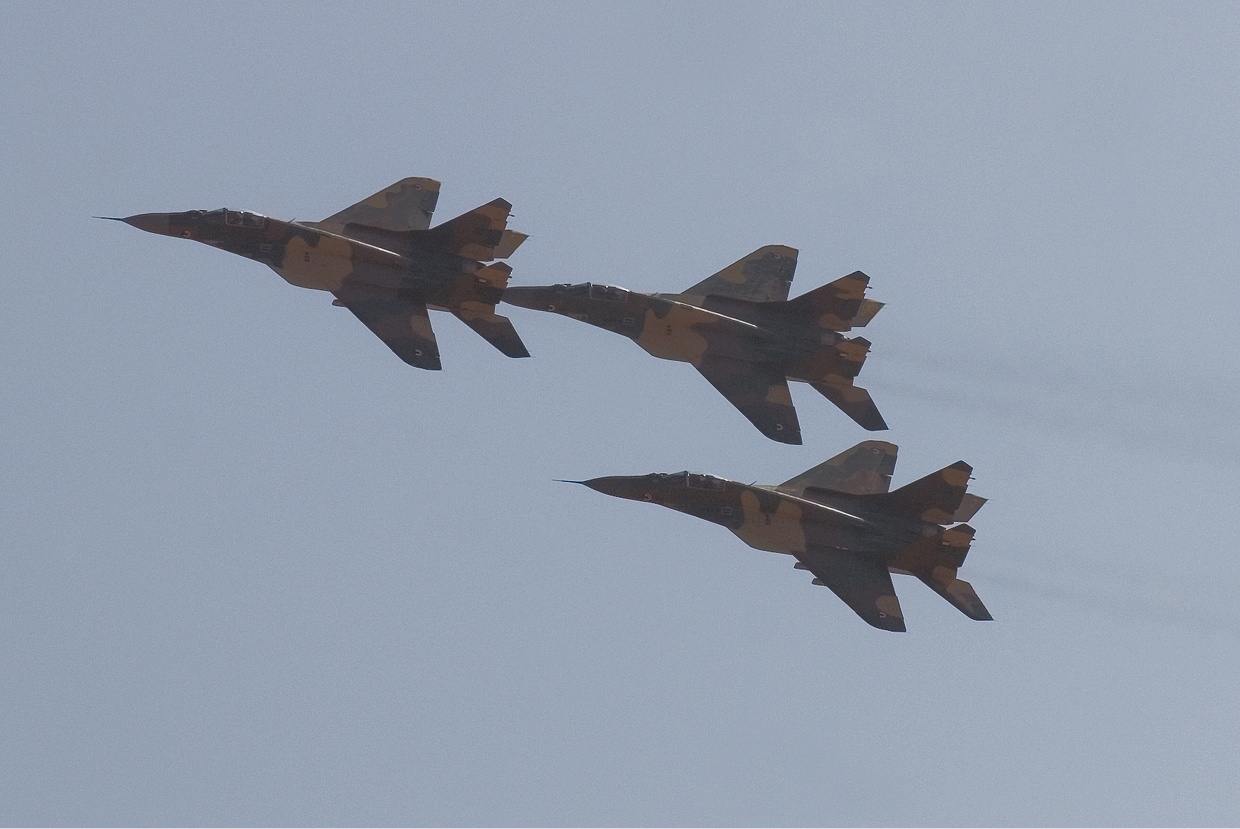
The main epicentre of the fighting has since shifted to Kordofan, in the south and west. Towns including Kadugli and Dilling are under siege, with near-daily drone strikes. Drone strikes killed more than a thousand civilians in the first five months of 2026. Famine has been declared in El Fasher and Kadugli, with more than twenty further areas at risk, and both sides have been found to use starvation as a weapon and to obstruct humanitarian access. Hospitals and aid convoys have been hit, medical staff have been killed or detained, and the healthcare system has effectively collapsed.
For any traveller, the picture is stark: an active war zone with aerial attacks on civilian areas, mass atrocity in RSF-held territory, famine, abduction and detention by armed actors, and minimal consular protection. The Hotspot Cover risk report rates Sudan as an Extreme risk destination overall. No region is genuinely safe — although the east, around Port Sudan, is comparatively more stable, being SAF-held and the main humanitarian hub, it is still exposed to drone strikes, crime and the wider collapse.
What the Canadian Travel Advisory Means for Your Coverage
The Government of Canada publishes travel advisories for every country, graded by risk. The two highest levels — “avoid non-essential travel” and “avoid all travel” — are the ones insurers act on. “Avoid all travel” is the Government’s strongest warning: it means the safety and security situation poses an extreme risk that the Government judges no travel can safely absorb. You can read the current advisory for Sudan, updated as conditions change, at travel.gc.ca/destinations/sudan.
For insurance purposes, the advisory is a trigger, not just advice. Travel policies are underwritten on the assumption that travellers follow their government’s advisories, and most standard policies contain wording that limits or excludes claims where a destination sits under a Level 3 or Level 4 advisory. The insurer is not being difficult; it is pricing ordinary travel on the assumption of ordinary risk, and a government warning at the highest level is a signal that those assumptions have failed.
Timing can matter in some policies — whether the advisory level is measured when you buy or when you travel — but for Sudan that question does not arise. The highest level is already in effect. If a destination is under a Level 3 or Level 4 advisory, standard policies may provide limited or no cover; for Sudan, standard travel insurance is invalid outright.
Get a Quote for Your Trip
Tell us about your trip and we will send you the plans that will actually cover it, with the exclusions spelled out in plain language.
What Standard Travel Insurance Will Not Cover in Sudan
Standard travel insurance is written to exclude war, terrorism and civil unrest. Those exclusions are not fine print in Sudan’s case — they go to the exact danger. The dominant risk there is an active civil war between two armed forces, with artillery, airstrikes and drone strikes against civilian areas. A loss caused by that fighting falls squarely inside the war exclusion of a typical policy. Terrorism is commonly excluded as well, and civil unrest, looting and disorder are excluded as uninsurable political violence.
Then there is the advisory itself. Travelling contrary to a Government of Canada advisory is a commonly listed exclusion, and Sudan sits at the highest level. For this destination, the war exclusion and the advisory exclusion point in the same direction: the policy is void. If something happens — a drone-strike injury, a detention at a checkpoint, a medical emergency — a standard policy provides no protection. Claims are adjudicated by the insurer against the policy wording, and the wording excludes this destination.
There is a further, practical problem. Emergency medical coverage in a normal destination assumes a health system to receive the patient. In Sudan, hospitals have been bombed and looted, medical staff have been killed or detained, and serious cases require a difficult international evacuation. War-zone evacuation and security extraction are specialist operations, not something a standard policy’s assistance line is set up to organise. You will sometimes see standard emergency medical policies advertising medical limits of $5 million or more — but a limit only matters if the policy responds at all. In Sudan, the exclusions come first.
Where the Risk Is Concentrated
In Khartoum and central Sudan, the government is back and the SAF holds the area, but the city is devastated. There is looting and residual insecurity, movement is constrained by damage and by checkpoints, and landmines and unexploded ordnance contaminate areas around former battle sites. The capital’s medical infrastructure survives only in part.
Darfur, in the west, is under RSF control and is the site of mass atrocity, including the El Fasher massacre. The danger is most acute for non-Arab communities. The region is effectively lawless, with systematic pillage, famine in El Fasher and blocked aid. The risk report’s guidance is blunt: travel in Darfur is exceptionally hazardous and should be avoided.
Kordofan, in the south and west, is where the fighting is most intense right now. There are sieges of towns such as Kadugli and Dilling, near-daily drone strikes, and fresh landmine contamination from ongoing combat. Routes there cross active front lines and besieged towns, and famine has been declared in Kadugli.
Eastern Sudan and Port Sudan are comparatively the most stable: SAF-held, home to the functioning government and diplomatic presence, and the base for most humanitarian operations, with the most functioning — though badly strained — medical facilities and the most stable connectivity. But comparative stability is not safety. The east still faces drone-strike risk, significant crime and the possibility of detention by security forces. Another point matters here: even specialist war-risk underwriters draw regional lines, and policies for Sudan may exclude Darfur and Kordofan outright.
Movement anywhere in the country is constrained by front lines, sieges, checkpoints, destroyed infrastructure and aerial threats, and borders and airports open and close with the fighting. Checkpoints operated by armed actors routinely seize money, food and aid, and there is effectively no functioning civil protection for travellers in conflict areas.
Active civil war between SAF and RSF, now in its fourth year, with drone strikes and sieges nationwide.
The dominant threat is warfare, though armed groups and extremist elements operate amid the chaos.
Abduction, detention and disappearance by armed actors, plus mass atrocity in RSF-held areas.
Widespread looting, armed robbery and extortion amid collapsed order.
Grievance and displacement drive unrest, constrained by wartime control.
Healthcare has collapsed and famine is present. Serious cases require difficult evacuation.
Front lines, sieges, checkpoints, mines and destroyed infrastructure make movement extremely dangerous.
Monitoring, disrupted connectivity and device scrutiny at checkpoints.
How to Get Covered for Sudan
Specialist high-risk cover exists precisely for destinations that standard insurers exclude. Hotspot Cover is designed for exactly this situation: war and terrorism cover is included as standard, and a government travel advisory does not by itself void the cover. Some countries are excluded because of international sanctions. The policies are underwritten by Opportuna Insurance PCC Limited — International Risks Cell, a Guernsey-based insurer regulated by the Guernsey Financial Services Commission, with reinsurance capacity from certain underwriters at Lloyd’s of London.
The cover types that matter for Sudan, based on the destination guidance, are emergency medical evacuation, security extraction, repatriation and kidnap-for-ransom response. Emergency medical and evacuation cover pays reasonable and necessary emergency medical, surgical, hospital and nursing charges, including evacuation to the nearest adequate medical facility. Security extraction means getting you out of a danger zone. Repatriation means getting an injured or ill person home, or bringing a deceased person home. Kidnap-for-ransom response is the crisis-management side of an abduction. Other available benefits include a lump sum for accidental death or permanent total disablement, funeral costs or repatriation of remains, emergency family travel, search and rescue expenses, a free pre-travel safety briefing tailored to the destination, and the partner’s own risk reports and risk maps. Add-ons such as political evacuation and liability cover can be requested.
Be equally clear about what this cover is not. There is no trip cancellation, no baggage cover, no delay or missed connection cover, and no non-medical repatriation. Active participation in conflict is excluded, though harm suffered passively as a victim is covered. Pre-existing conditions within the policy’s lookback period are excluded, as are routine and elective care, pregnancy and treatment in your home country. Certain environments and activities — high altitude, extreme sports, scuba below the stated depth, off-piste winter sports, piracy — are also excluded. This is emergency and security cover, not a health plan and not a trip plan.
None of this is sold off the shelf, and none of it is quoted through the online marketplace. Cover for Sudan is available on request only and requires pre-travel approval. Policies may exclude Darfur and Kordofan, and whether a destination, an itinerary or a travellers’ profile is accepted is a matter of underwriting — approval is never guaranteed, and no claim outcome can be promised. Red Helm is an independent brokerage that compares across carriers for standard cover; for a destination like Sudan, we work with the specialist partner and arrange the request through an advisor. If a policy is placed through us, you have the added support of your broker when making changes to it or making a claim, though claims themselves are adjudicated by the insurer. If you have a critical humanitarian, media or family reason to be in Sudan, contact a Red Helm advisor well before any departure date — underwriting, the safety briefing and coordination with security support all take time.
Get a Specialized Travel Insurance Policy
Through our partnership with Hotspot Cover, Red Helm can arrange specialist cover for Sudan — the kind of policy that will still be there when a standard travel plan is void.
What is Covered
Emergency Medical & Evacuation
Reasonable and necessary emergency medical, surgical, hospital and nursing charges, including evacuation to the nearest adequate medical facility.
Personal Accident, Death & PTD
A lump sum if an accident results in death, and cover for permanent total disablement.
Pre-Travel Safety Briefing
A free pre-departure briefing tailored to Sudan, covering local risks, emergency contacts and safety protocols.
Additional Benefits
Funeral costs or repatriation of remains, emergency family travel, natural disaster travel and search and rescue expenses.
Standard travel insurance is invalid for Sudan. Cover is available on request only and must be specialist war-risk insurance covering: Emergency medical evacuation Security extraction Repatriation Kidnap-for-ransom (K&R) response Given collapsed healthcare and minimal consular support, evacuation and K&R cover are essential. Policies may exclude Darfur and Kordofan and require pre-travel approval. Get a Quote Gulf Transit Cover Speak to an Advisor
Before You Travel: Practical Safety Steps
The Hotspot Cover risk report lists essential precautions for Sudan. In plain terms, they are:
- Travel only for a critical purpose, with professional security support, vetted local contacts and specialist war-risk, evacuation and kidnap-for-ransom cover in place before arrival.
- Stay well clear of Darfur and Kordofan — the zones of active atrocity, siege and near-daily drone strikes.
- Assume there is no functioning safety net: collapsed healthcare, famine conditions and minimal consular support. Plan to self-fund an evacuation.
- Treat every checkpoint as a potential extortion or detention point; armed actors routinely seize money, food and aid from travellers.
- Plan around aerial threats — drones and aircraft strike civilian areas, markets, hospitals and convoys — and identify hardened shelter wherever you stay.
- Carry your own supplies and keep strict hygiene; do not rely on local provisioning.
- Practise strict digital hygiene: travel on clean devices with no sensitive material or affiliations stored on them.
- Coordinate all movement with humanitarian security networks, and never move independently between areas held by different armed actors.
Contingency planning comes before anything else. Register with the Government of Canada’s registration service for Canadians abroad before you leave, so that officials know you are in the country — but treat that as a backstop, not a plan, because the report notes that consular support inside Sudan is minimal and many embassies operate from Port Sudan or remain closed. Plan for communications failure: connectivity is disrupted by the war, blackouts are periodic, and communications are monitored, so agree in advance on how you will make contact if the network fails. Build an evacuation plan with your security provider and know how it will be funded, since any serious medical or security incident in Sudan will likely end in an international evacuation. Resist pressure to compress that planning. In a war where hospitals have been struck and aid convoys attacked, the cover you arrange and the plan you build are the only support you should assume you have.
A last note on what this article is and is not. It is general information, not personal advice, and it does not recommend any specific policy. Cover for a destination like Sudan is arranged case by case: eligibility is not guaranteed, may depend on a medical questionnaire and underwriting, and nothing is final until the insurer approves it. Quotes, products and services are marketed and distributed by Red Helm Canada, an independent brokerage, and rates and plan details may change without notice. If you have a critical reason to consider Sudan, speak to a licensed advisor — Red Helm is licensed in Ontario and British Columbia — well before any travel date, and never travel toward this destination on a standard policy.
Where Sudan Is