Government of Canada Travel Advisory
Avoid non-essential travel (with regional advisories) — advisory last updated 2026-10-11
The security situation
Saudi Arabia is classified as a MEDIUM risk destination. In ordinary times it is among the safest countries in the region for visitors, with very low street crime and a fast-growing tourism sector under Vision 2030, and the rating is driven by the acute regional conflict of 2026, strict local laws, and a residual Yemen border and terrorism risk rather than everyday danger.
Overall risk rating: Medium · Source: Hotspot Cover country risk report for Saudi Arabia, updated July 2026
When the Government of Canada updates its travel advisory for a destination, the change affects more than just your travel plans. For most travellers, it fundamentally alters how their insurance policy behaves. Standard Canadian travel insurance contracts contain clauses that tie coverage directly to official travel warnings. When an advisory urges Canadians to avoid non-essential travel, standard emergency medical and trip cancellation protections generally cease to apply for risks associated with that warning.
For Canadians travelling to Saudi Arabia for business, family visits, or commercial projects, this distinction creates a significant insurance gap. Even if an insurer issues a standard policy, fine print regarding declared hostilities, civil unrest, and government advisories can leave policyholders without protection if an incident occurs. Understanding the relationship between advisory levels and insurance terms is essential before departing.
Red Helm Canada is an independent insurance brokerage licensed in Ontario and British Columbia. We do not underwrite insurance or adjudicate claims, but we examine policy wordings across multiple carriers to help travellers understand their options. When standard travel insurance does not cover a destination, specialist policies exist that are specifically underwritten for regions facing elevated security hazards.
Standard travel insurance is written to exclude the very events that make Saudi Arabia a high-risk destination — war, terrorism, civil unrest and the advisories that follow from them.
Why Saudi Arabia Is a High-Risk Destination Right Now
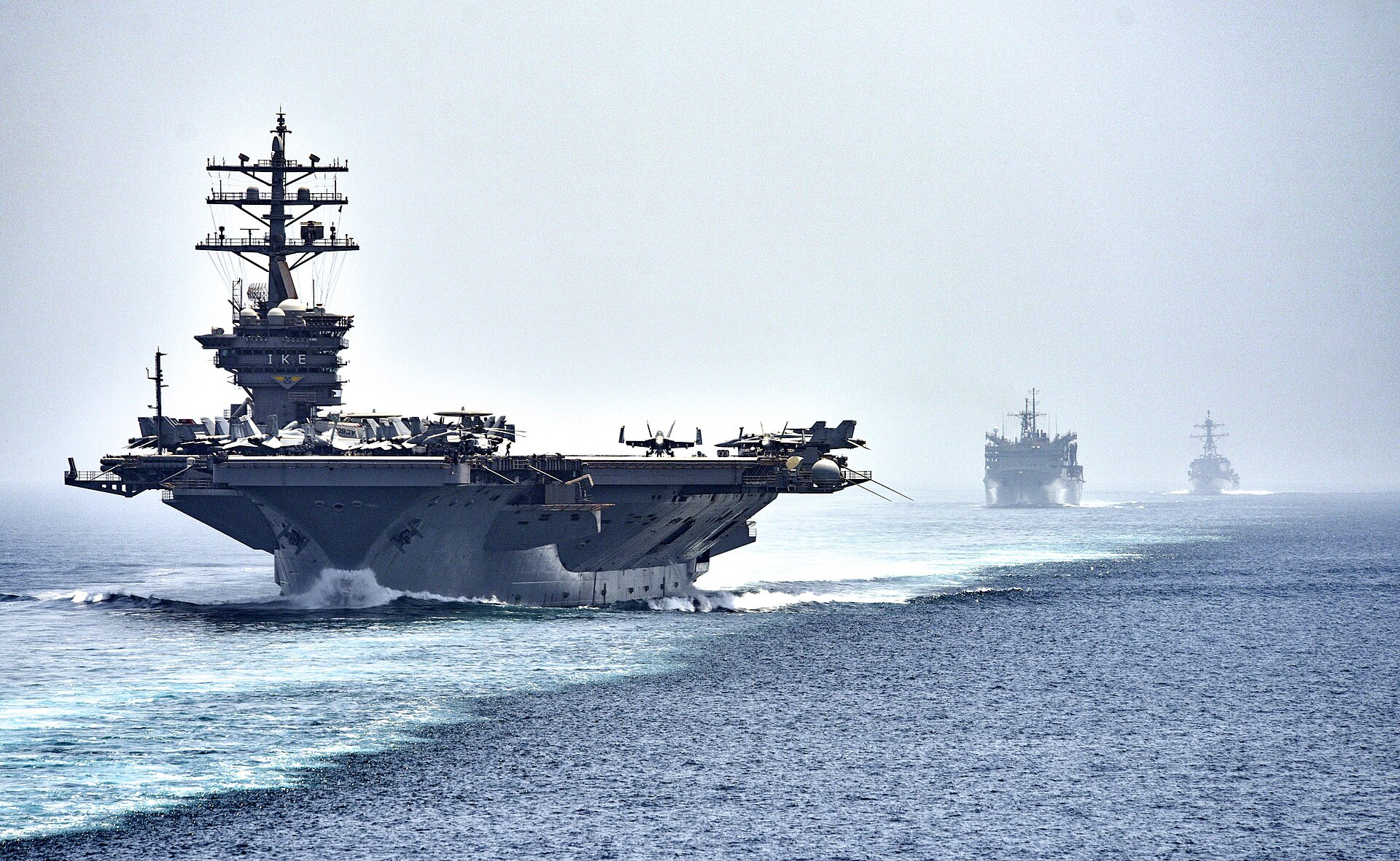
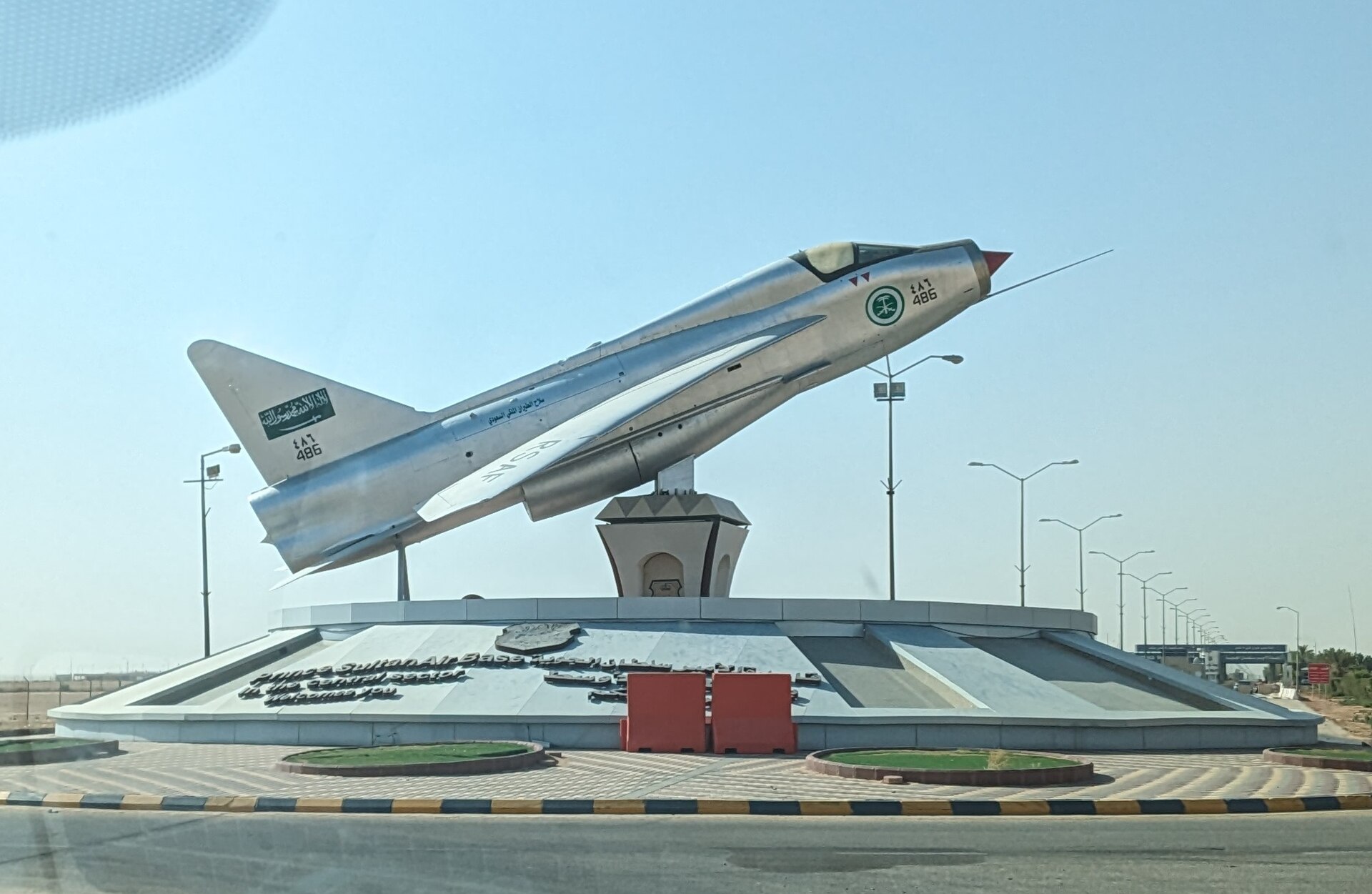
The primary driver of risk in Saudi Arabia today is the regional spillover from the 2026 Iran war. Following coordinated United States and Israeli military strikes on Iran that began on 28 February 2026, Iranian forces responded with retaliatory missile and drone attacks across the Persian Gulf. Several strikes directly targeted locations inside Saudi territory, including critical infrastructure in the Eastern Province and facilities at Prince Sultan Air Base.
A memorandum of understanding signed on 17 June 2026 established a ceasefire, but the agreement remains fragile and has been violated repeatedly. Fresh strikes, intercepted projectiles, and attacks on commercial maritime vessels in the Strait of Hormuz continued into July 2026. Saudi air defence batteries remain active, creating an ongoing risk of falling debris and shrapnel in populated areas. Furthermore, regional hostilities have led to repeated civil airspace closures, flight diversions, and abrupt cancellations at major airports.
In addition to the confrontation with Iran, Saudi Arabia faces security challenges along its southern border. Houthi forces in Yemen continue to launch drone and missile operations into southern Saudi territory, keeping border districts under sustained threat. Elsewhere in the country, authorities monitor localized unrest and terrorism risks, particularly around Qatif in the Eastern Province, alongside a general threat of sporadic terrorist attacks against public venues.
These acute military and regional risks contrast sharply with everyday life in Saudi Arabia’s interior. In ordinary circumstances, the country maintains exceptionally low levels of street crime, and major domestic initiatives under Vision 2030 have expanded commercial and leisure travel. However, the current medium overall risk rating reflects real security threats from regional warfare, cross-border strikes, and strict domestic legal statutes, rather than routine municipal crime.
What the Canadian Travel Advisory Means for Your Coverage
The Government of Canada maintains an official advisory for Saudi Arabia: Avoid non-essential travel (with regional advisories). In Canada’s four-level advisory system, this represents Level 3. It signals that there are specific safety and security concerns and that travellers should reconsider whether their trip is necessary.
To an insurance company, an advisory is not casual advice; it is a formal contractual trigger. Standard individual travel policies, group benefits, and credit card coverages usually incorporate an advisory exclusion clause. Under these terms, if a Level 3 or Level 4 advisory is active on your departure date, the insurer may exclude any claims arising from the events, conflict, or hazards that prompted the warning. In some contracts, entering a country with an active advisory voids emergency medical coverage entirely.
Regional advisories complicate this further. While central commercial districts may experience daily stability, areas near the southern border carry explicit warnings to avoid all travel. Crossing into an area designated under a Level 4 warning will almost universally invalidate standard medical, evacuation, and accidental death benefits from the moment you enter that boundary.
Get a Quote for Your Trip
Tell us about your trip and we will send you the plans that will actually cover it, with the exclusions spelled out in plain language.
What Standard Travel Insurance Will Not Cover in Saudi Arabia
Standard Canadian travel insurance policies are designed for leisure vacations and routine business trips to peaceful destinations. They are deliberately priced and underwritten to exclude extraordinary hazards. In Saudi Arabia, several standard exclusions directly impact travellers:
- Acts of war and hostilities: Standard policies universally exclude injury, medical emergencies, or hospitalizations resulting from declared or undeclared war, missile strikes, military drone activity, or armed conflict.
- Terrorism exclusions: While some standard plans provide limited emergency medical treatment following an isolated terrorist incident, coverage often lapses if the event is linked to wider armed hostilities or occurs in an area under an advisory.
- Travel against government advice: If Global Affairs Canada warns against travel before your policy is purchased or before you depart, expenses resulting directly or indirectly from the underlying security situation are excluded.
- Security and political evacuation: Standard policies cover medical evacuation when local medical facilities cannot treat a condition. They do not fund non-medical evacuation if an airport shuts down, civil unrest breaks out, or military action forces foreign nationals to depart.
Relying on a standard policy under these conditions means that medical care resulting from an intercept, shrapnel injury, or conflict-related trauma would likely have to be paid out of pocket.
Where the Risk Is Concentrated
Security risks across Saudi Arabia vary significantly depending on geography and proximity to military friction points. Travellers need to understand the regional distinctions:
The South and the Yemen Border
The southern provinces bordering Yemen carry the highest risk profile in the country. Cross-border artillery fire, armed incursions, and Houthi ballistic missile and suicide drone attacks make this region hazardous. A wide buffer zone along the border remains strictly off-limits to casual travel, and foreign nationals should avoid all movement in this corridor.
The Eastern Province (Dammam, Qatif)
The Eastern Province houses vital petroleum extraction and refining facilities, making it a recurring target during regional military tensions. In addition to potential missile strikes, the town of Qatif has experienced localized civil unrest and security operations related to historical communal tensions. Heightened vigilance is required throughout this commercial and industrial hub.
Riyadh and the Central Region
The capital city and central provinces function normally for corporate, diplomatic, and domestic activities. However, because strategic headquarters and Prince Sultan Air Base are located in the broader central area, Riyadh has experienced air defence interceptions. While street crime is negligible, travellers face disruption from falling debris alerts, airspace restrictions, and strict enforcement of social regulations.
Jeddah and the West (Hijaz)
Western Saudi Arabia serves as the commercial gateway to the Red Sea, the historical port of Jeddah, and development sites like AlUla. The holy cities of Mecca and Medina sit within this western region; non-Muslim travellers are strictly barred by law from entering Mecca and the sacred precincts of Medina. The region generally operates with precautions, though maritime traffic along the Red Sea coast faces regional shipping security concerns.
Regional war spillover from Iran, plus a Yemen border threat, under a fragile ceasefire.
A general attack risk, Iranian and Houthi strikes, and unrest around Qatif.
Kidnapping of travellers is very rare.
Street crime is exceptionally rare by international standards.
Public protest is prohibited; localised tension around Qatif.
Excellent private care in cities; extreme heat and remote-area limits.
Flight and airspace disruption, the Yemen border, and long desert distances.
Strict cybercrime and defamation laws; monitoring and content restrictions.
How to Get Covered for Saudi Arabia
Because standard insurers exclude war and advisory zones, securing protection for travel to Saudi Arabia requires specialist high-risk travel insurance. Specialist policies are specifically underwritten to operate inside regions affected by armed conflict, elevated advisory levels, and political volatility.
Red Helm works with Hotspot Cover to arrange international coverage for travellers visiting hazardous destinations. Hotspot Cover policies are underwritten by Opportuna Insurance PCC Limited — International Risks Cell, a protected cell company licensed in the Bailiwick of Guernsey and regulated by the Guernsey Financial Services Commission, backed by reinsurance capacity from certain underwriters at Lloyd’s of London.
Unlike standard market policies, specialist coverage includes war and terrorism risks as standard benefits. Key provisions typically include:
- Emergency medical and evacuation: Payment for necessary hospital, surgical, and emergency medical treatment, including dedicated evacuation to the nearest suitable medical facility if local infrastructure cannot manage the case.
- Personal accident protection: Capital benefits for accidental death and permanent total disablement sustained during the trip.
- Specialist support and briefings: Access to pre-travel destination safety briefings detailing regional security developments, local medical capabilities, and communication protocols.
- Optional security add-ons: Specialized endorsements for political evacuation, kidnap and ransom response, and personal liability.
For Saudi Arabia, coverage is arranged on a specialist basis with war-risk terms applying, reflecting the broader Gulf Transit Cover context. Underwriters evaluate factors such as local transit routes, planned visits to industrial or border zones, and the regional aviation environment. Active-strike periods require individual underwriting review.
Specialist coverage is not a catch-all policy. It carries strict exclusions that every traveller must understand. Hotspot Cover policies do not cover active participation in armed conflict, criminal acts, intoxication, drug use, or self-inflicted harm. Pre-existing medical conditions subject to lookback periods, routine or elective care, pregnancy, and mental health conditions (outside specific post-traumatic stress benefits) are excluded. Importantly, these plans do not provide trip cancellation, baggage loss, or flight delay benefits. They are designed strictly for medical emergencies, accident response, and life-safety events in high-threat environments.
Red Helm can help Ontario and British Columbia residents review specialist terms, compare available options, and request underwriting terms for upcoming travel.
Get a Specialized Travel Insurance Policy
Through our partnership with Hotspot Cover, Red Helm can arrange specialist cover for Saudi Arabia — the kind of policy that will still be there when a standard travel plan is void.
What is Covered
Emergency Medical & Evacuation
Reasonable and necessary emergency medical, surgical, hospital and nursing charges, including evacuation to the nearest adequate medical facility.
Personal Accident, Death & PTD
A lump sum if an accident results in death, and cover for permanent total disablement.
Pre-Travel Safety Briefing
A free pre-departure briefing tailored to Saudi Arabia, covering local risks, emergency contacts and safety protocols.
Additional Benefits
Funeral costs or repatriation of remains, emergency family travel, natural disaster travel and search and rescue expenses.
Cover for Saudi Arabia is available on a specialist basis with war-risk terms applying, in line with the Gulf Transit Cover context. The main cities function with precautions, while the Yemen border, Qatif and active-strike periods require specialist advice, and cover should include war-risk, medical evacuation, and aviation and maritime provisions given regional disruption. Get a Quote Gulf Transit Cover Speak to an Advisor
Saudi Arabia Country Risk Report →

Before You Travel: Practical Safety Steps
If you must travel to Saudi Arabia under current conditions, careful operational planning is necessary. Implement these essential precautions throughout your trip:
- Monitor regional geopolitical news and alerts daily, as the ceasefire remains fragile and drone activity can resume without notice.
- Learn local shelter procedures immediately upon checking into accommodations, and stay away from external glass or windows if an air defence alert sounds.
- Avoid all travel to the southern border corridor adjoining Yemen.
- Avoid visiting Qatif in the Eastern Province due to localized terrorism and unrest concerns.
- Comply strictly with Saudi laws regarding conservative dress, public decorum, complete bans on alcohol, and strict prohibitions on illicit substances.
- Anticipate flight delays, diversions, or unexpected airport closures, maintaining contingency funds and flexible ticketing.
- Mitigate extreme summer heat by scheduling outdoor movement during morning hours and maintaining consistent hydration.
- Never photograph, record, or publish social media posts about military sites, defence installations, or security incidents, as doing so violates severe cybercrime laws.
- Exercise absolute discretion regarding private relationships; same-sex relationships are criminalized under domestic law with severe statutory penalties.
Before departure, register your itinerary with the Government of Canada’s Registration of Canadians Abroad (ROCA) service. This allows consular officials to reach you or your emergency contacts during an unexpected crisis. Bear in mind that during acute regional emergencies, Canadian consular services on the ground may operate with reduced capacity. Ensure that you retain physical and digital copies of your specialist insurance documents, 24/7 emergency medical assistance phone lines, and employer emergency protocols at all times.
Where Saudi Arabia Is