
Government of Canada Travel Advisory
Avoid all travel — advisory last updated 2026-10-13
The security situation
Yemen is classified as an EXTREME risk destination and is the site of one of the world’s worst humanitarian crises. A civil war since 2015 has divided the country between the Iran-backed Houthi movement, which controls the north including Sana’a and is a US-designated Foreign Terrorist Organisation, and the internationally recognised government, now the Presidential Leadership Council (PLC), based in Aden and Riyadh.
Overall risk rating: Extreme · Source: Hotspot Cover country risk report for Yemen, updated July 2026
When a destination sits under a Government of Canada “avoid all travel” advisory, standard travel insurance generally stops working. Most policies carry two clauses that bite at once: one excludes war, terrorism and civil unrest, and another says coverage can be limited or void if you travel contrary to your government’s advice. Yemen sits at “avoid all travel” — the highest level the Government of Canada issues — so both clauses apply before you leave home.
The practical consequence is stark. If you enter Yemen on a standard policy and something goes wrong — an illness, an injury, a detention, an evacuation — the insurer has grounds to decline the claim. Hospital care, air evacuation and security extraction then become costs you and your family carry alone, in a country where the health system is near collapse and serious cases need evacuation abroad.
There is another route, but it is not on a public quote form. Specialist war-risk insurance exists for destinations like this one, arranged case by case, on request, and subject to sanctions screening. Most readers will never need it. The people who do usually have a reason they cannot set aside — close family, an aid or contract posting, a journalism assignment — and relatives at home who need to understand the risks too. This article explains the security picture, why standard cover fails here, and how the specialist route works.
Standard travel insurance is written to exclude the very events that make Yemen a high-risk destination — war, terrorism, civil unrest and the advisories that follow from them.
Why Yemen Is a High-Risk Destination Right Now
Yemen has been in a civil war since 2015. The country is divided between the Iran-backed Houthi movement, which controls the north including the capital Sana’a and is designated a Foreign Terrorist Organisation by the United States, and the internationally recognised government, which operates from Aden and Riyadh through the Presidential Leadership Council. Main front lines have been largely frozen since a 2022 truce, but the underlying conflict is unresolved — and the past two years showed how quickly that can change.
In late 2025 and early 2026, the UAE-backed Southern Transitional Council seized Aden and the eastern governorates before a Saudi military intervention reversed the gains. The STC was expelled from the Presidential Leadership Council, and the UAE withdrew its remaining forces. The war has also spilled across borders: the Houthis attacked Red Sea shipping and Israel from 2023, paused after the October 2025 Gaza ceasefire, resumed missile strikes in late March 2026 during the Iran conflict, and ceased again after the April 2026 ceasefire — while threatening to resume.
Inside the country, the risk picture is extreme across the board. Al-Qaeda in the Arabian Peninsula and an Islamic State presence remain active in central and southern areas. The Houthis detain foreigners and aid workers on spying accusations, and criminal, tribal and militant networks abduct people for ransom. Yemen is one of the most heavily mined countries in the world. Armed and opportunistic crime is widespread amid collapsed order and economic crisis. The humanitarian emergency is one of the world’s worst: 22.3 million people need assistance, only about 59 per cent of health facilities are fully functional, famine risk is real and cholera recurs. Specialist risk reports rate Yemen “extreme” overall — a divided conflict environment with no safe area.
What the Canadian Travel Advisory Means for Your Coverage
Every country has a page on the Government of Canada’s travel site, and each page carries an advisory — the government’s formal assessment of the risk to Canadians there. The levels run from “take normal security precautions”, through “exercise a high degree of caution” and “avoid non-essential travel”, up to “avoid all travel”. Yemen is at the top. The advisory for Yemen describes detention risk, armed conflict, landmines and a collapsing health system in plain terms.
An advisory is a warning, not a law. Canadians can still legally travel to a country at any level; the decision belongs to the traveller. But insurers read the same page differently. Standard policies are written with an advisory clause: when you travel to a destination contrary to your government’s advice, coverage can be limited or void. The clause exists because the advisory is an objective, published line. An insurer does not have to judge whether your trip was reasonable — it only has to check the level. At “avoid all travel”, that check is short.
That is why the advisory matters more to your claim file than to your boarding pass. It is the trigger the exclusions were built around, and for Yemen it is pulled before departure.
Get a Quote for Your Trip
Tell us about your trip and we will send you the plans that will actually cover it, with the exclusions spelled out in plain language.
What Standard Travel Insurance Will Not Cover in Yemen
Standard travel insurance is priced for delayed flights, sprained ankles and lost bags. War breaks that pricing, so standard policies exclude it. The exclusions that matter for Yemen are:
- Acts of war and their consequences, including hostilities between armed forces.
- Terrorism, which standard policies exclude outright or tightly limit.
- Civil war and civil unrest.
- Travel contrary to a government advisory — the clause described above.
The last one does the damage, and it is the part travellers most often miss. It does not require you to be near a front line or caught in a protest. Travelling to Yemen at all is the trigger, so the policy can be treated as void from the day you arrive — including for claims that have nothing to do with the war. A ruptured appendix in Aden, a road accident far from any fighting, an infection: under a standard policy, all of it can be declined, because the trip itself was contrary to the advisory.
What that means in practice is that the costs come back to you. Emergency surgery and hospital care in a system where only about 59 per cent of facilities are fully functional. Air evacuation, which serious cases in Yemen require and which is difficult and expensive to arrange from a divided, insecure country. Security extraction if detention or kidnapping enters the picture. Standard policies also carry the exclusions they carry everywhere — pre-existing condition stability clauses, high-risk activities — but in Yemen the destination itself is the exclusion, and it sits above all the others.
Where the Risk Is Concentrated
Yemen’s risks are not spread evenly. The risk report divides the country into four regions, and each carries a different dominant danger — one reason specialist policies may draw geographic lines of their own.
Sana’a and the north. This is Houthi-controlled territory under firm military administration. The primary risk to a foreigner here is not crossfire but detention: the Houthis have detained foreigners and aid workers on spying accusations, detention conditions are poor, and outside access is limited. Connectivity is heavily monitored, and device content or perceived affiliations can itself trigger detention. Strict social codes are enforced; same-sex sexual activity is criminalised and can carry the death penalty, with severe enforcement in Houthi-held areas. Health facilities are strained by aid restrictions, and northern and front-line areas are heavily mined.
Aden and the south. The internationally recognised government sits here, but the south lived through the 2025–26 power struggle — the STC seizure of Aden and the Saudi-backed reversal — and unrest continues, with lethal force used against demonstrators at protests. This is also where the al-Qaeda and Islamic State presence is most active, alongside armed crime amid the power struggle.
Marib and the central front. A militarised flashpoint, exposed to renewed fighting, with AQAP activity, tribal abduction risk and minimal health services. Contamination from mines and unexploded ordnance is heavy.
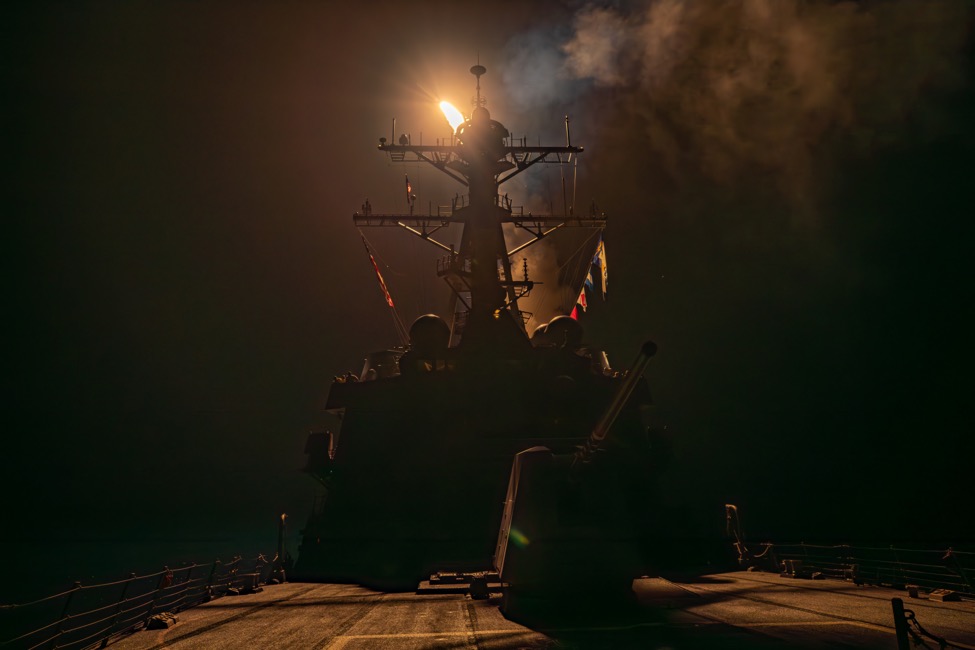
The Red Sea coast and Bab-el-Mandeb. The strait and the coastline are the focus of the maritime conflict: periodic strikes, mine and naval-mine contamination, smuggling-related crime, and direct risk to seafarers and shipping.
Two things are true everywhere. First, landmines: contamination reaches front lines, roads, farmland and the coast, and the guidance is to stay strictly on paved surfaces and established routes. Second, movement: crossing between Houthi-held and government-held areas is hazardous, checkpoints are constant, air links are limited, and Sana’a airport operations are restricted. The report’s overall judgment stands above the regional detail — there is no safe area.
Unresolved civil war with frozen front lines, southern power struggles, and regional spillover.
Houthi actions plus an active AQAP and Islamic State presence in central and southern areas.
Detention by the Houthis and abduction by AQAP and criminal networks for ransom and leverage.
Armed and opportunistic crime amid collapsed order and economic crisis.
Southern unrest and protests, with lethal force used against demonstrators.
Health system near collapse with famine risk. Serious cases require evacuation.
Front lines, checkpoints, mines and divided control make movement extremely dangerous.
Surveillance and monitoring, with detention risk from device content in Houthi areas.
How to Get Covered for Yemen
Cover for a destination like Yemen comes from a separate market: specialist war-risk insurance, built for high-hazard and remote destinations. These policies are designed so that war and terrorism cover is included as standard, and a government travel advisory does not by itself void the cover. What they are built to respond to is exactly the Yemen list — emergency medical care and evacuation to the nearest adequate medical facility, security extraction, repatriation, and kidnap-for-ransom response. Depending on the policy, core benefits can include personal accident cover (a lump sum if an accident results in death or permanent total disablement), funeral costs or repatriation of remains, emergency family travel, and search and rescue. Kidnap and ransom, political evacuation and liability cover are specialist add-ons arranged on request. Many arrangements also include a free pre-departure safety briefing tailored to the destination.
Be equally clear about what this kind of policy is not. There is no trip cancellation, no baggage, no delay or missed connection cover, and no non-medical repatriation. Routine and elective care is excluded, as is treatment in your home country, pregnancy, and pre-existing conditions within the policy’s lookback period. Active participation in the conflict is excluded, though being a victim of violence is treated differently. Read the exclusions first; they explain why this market exists in its narrow shape.
Red Helm arranges requests like this through HotSpot Cover, a specialist provider of travel insurance for high hazard and remote destinations. Its policies are underwritten by Opportuna Insurance PCC Limited — International Risks Cell, a Protected Cell Company licensed in the Bailiwick of Guernsey and regulated by the Guernsey Financial Services Commission, with reinsurance capacity from certain underwriters at Lloyd’s of London. You can read more on our HotSpot Cover page.
For Yemen specifically, three things shape any request. Cover is available on request only — it is not something you can price on a public quote form. It is subject to sanctions screening, which matters here because the Houthi terrorist designation affects the north and dealings there carry sanctions exposure; some countries are excluded altogether because of international sanctions. And the policy that comes back may exclude Houthi-controlled and front-line areas, and may require pre-travel approval before departure. Cover at this level of risk is arranged case by case and subject to underwriting — no one can promise in advance that a policy will be issued, what it will cost, or what limits it will carry, because none of those figures are published and every arrangement is quoted individually.
Red Helm’s role is advisory. We are an independent brokerage licensed in Ontario and British Columbia — not the underwriter, and not the party who decides whether a destination is acceptable. We explain what this cover does and does not do, help you gather what the underwriter will need, and put the request forward. If a claim ever arises, it is adjudicated by the insurer, not by us. If Yemen is part of your life for reasons you cannot set aside, speak to a Red Helm advisor about what a specialist request involves.
Get a Specialized Travel Insurance Policy
Through our partnership with Hotspot Cover, Red Helm can arrange specialist cover for Yemen — the kind of policy that will still be there when a standard travel plan is void.
What is Covered
Emergency Medical & Evacuation
Reasonable and necessary emergency medical, surgical, hospital and nursing charges, including evacuation to the nearest adequate medical facility.
Personal Accident, Death & PTD
A lump sum if an accident results in death, and cover for permanent total disablement.
Pre-Travel Safety Briefing
A free pre-departure briefing tailored to Yemen, covering local risks, emergency contacts and safety protocols.
Additional Benefits
Funeral costs or repatriation of remains, emergency family travel, natural disaster travel and search and rescue expenses.
Standard travel insurance is invalid for Yemen. Cover is available on request only, subject to sanctions screening given the Houthi terrorist designation affecting the north, and must be specialist war-risk insurance covering emergency medical evacuation, security extraction, repatriation and kidnap-for-ransom response. Policies may exclude Houthi-controlled and front-line areas and require pre-travel approval. Get a Quote Gulf Transit Cover Speak to an Advisor
Before You Travel: Practical Safety Steps
The risk report’s essential precautions for Yemen are these:
- Travel only for a critical purpose, with professional security support and vetted local contacts in place before arrival.
- Arrange specialist war-risk, evacuation and kidnap-for-ransom cover before you arrive, not after.
- Confirm your sanctions status before travel; the Houthi terrorist designation affects the north, and dealings there carry sanctions exposure.
- Treat detention and kidnapping as primary risks — foreigners and aid workers have been detained on spying accusations, and abduction for ransom is a live threat.
- Stay out of Houthi-controlled areas and away from front lines and contested areas.
- Plan around landmines: stay strictly on paved surfaces and established routes.
- Account for regional escalation, which can happen at short notice.
- Carry supplies and follow strict hygiene, given food insecurity and recurrent cholera.
- Practise strict digital hygiene: travel with clean devices, with sensitive material and affiliations removed.
Then plan for the day the plan fails. Contingency planning means deciding in advance who does what in a crisis — who calls the security provider, who moves, whom the family in Canada contacts. Consular support inside Yemen is minimal; the United Nations has relocated its main offices to Aden after Houthi detentions of staff, which says something about the working environment even for experienced international organisations. Register with the Government of Canada so that officials know you are in the country and can reach your family, and agree on a check-in schedule with people at home, understanding that connectivity is monitored and uneven. Treat evacuation as something you arrange before arrival, not after: the health system is near collapse, serious cases require international evacuation, and evacuation from a divided and insecure country is difficult to organise once you are already there.
Red Helm publishes articles like this one as general information, not personal advice. Nothing here tells you whether to travel, and nothing here tells you which policy to buy — those decisions need a conversation with a licensed advisor who knows your circumstances. Plan details and terms are set by the insurer and can change without notice; any cover that results is subject to underwriting, sanctions screening and the insurer’s final approval. If that conversation is about Yemen, it starts with the facts above: the advisory, the exclusions, and a specialist request made early.
Where Yemen Is