

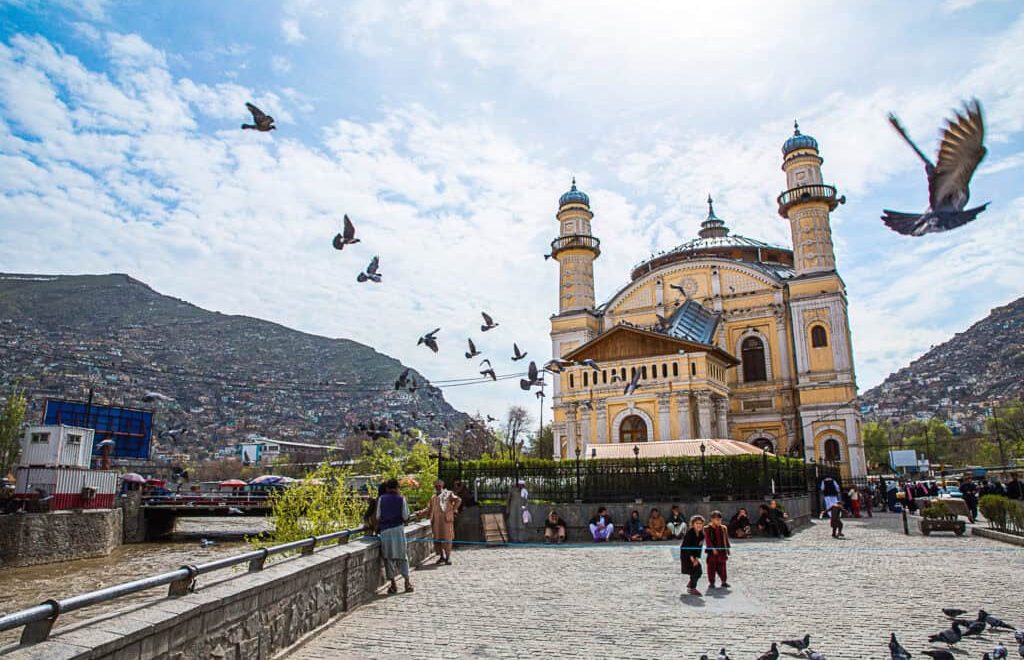
Afghanistan continues to experience significant social and political instability, including security risks, civil unrest, and unpredictable conditions. These factors have a serious impact on the safety and security of the country. The Government of Canada considers travel to Afghanistan to be extremely high risk, advising citizens to exercise the highest degree of caution and to carefully reconsider any travel plans. This advisory reflects a severe risk to personal safety, particularly outside major urban areas and in regions with limited security infrastructure.
Travel advisories like this have significant implications for travelers, particularly regarding travel insurance. Typically, travel insurance policies are designed to cover emergency medical expenses, trip cancellations, and other unforeseen incidents. However, when a country is considered high risk, most standard travel insurance policies may exclude coverage for incidents related to the advisory. This means that if a traveler chooses to visit Afghanistan, they may not be covered for medical emergencies, trip interruptions, or evacuations related to ongoing instability.
Additionally, most travel insurance policies explicitly exclude coverage for acts of war, terrorism, civil unrest, and similar events. Even if travelers obtain a policy from non-Canadian carriers that do not strictly follow Canadian advisories, it is unlikely to cover incidents arising from the current situation in Afghanistan. Given the significant risks associated with traveling to a high-risk country, securing appropriate travel insurance coverage is essential for anyone who still plans to visit.
most travel insurance policies explicitly exclude coverage for acts of war, terrorism, civil unrest, and similar events
For travelers determined to visit Afghanistan despite the high-risk advisory, specialized insurance policies can offer valuable protection and are strongly recommended. Known as high-risk or war zone travel insurance, these policies provide coverage for specific risks that standard policies typically exclude. By securing this specialized insurance, travelers can have greater peace of mind, knowing they have a tailored safety net in place. While it is important to carefully review the terms and understand any limitations or exclusions, high-risk travel insurance provides essential coverage that can make a significant difference during the trip.
Get a Specialized Travel Insurance Policy

What is Covered
Traveling to Afghanistan carries significant risks due to ongoing social and political instability. Standard travel insurance often does not cover incidents related to high-risk situations, such as medical emergencies, trip interruptions, or evacuations, and typically excludes acts of war, terrorism, and civil unrest.
For those who still plan to visit, securing high-risk or war zone travel insurance is strongly recommended, as it provides a tailored safety net. Beyond insurance, taking additional precautions—such as registering with your embassy, staying updated on travel advisories, maintaining a flexible itinerary, and knowing local emergency procedures—is essential.
Ultimately, traveling to Afghanistan demands careful planning and vigilance. By taking the right safety measures and obtaining appropriate coverage, travelers can better navigate the challenges of this high-risk environment.