
Government of Canada Travel Advisory
Avoid non-essential travel (with regional advisories) — advisory last updated 2026-09-17
The security situation
Jordan is classified as a MEDIUM risk destination. In ordinary times it is one of the most stable and welcoming countries in the Middle East, and its main cities and tourist sites function normally, so the rating reflects acute regional instability, border threats and a terrorism risk rather than everyday danger.
Overall risk rating: Medium · Source: Hotspot Cover country risk report for Jordan, updated August 2026
You have probably arrived here in one of two ways. Jordan has been on your list for years — Petra, Wadi Rum, floating in the Dead Sea — and you have just seen the Government of Canada advisory. Or a trip is already taking shape and you want to know where you stand. Either way, the practical question is the same: what does “Avoid non-essential travel (with regional advisories)” actually do to your travel insurance?
The short answer is that it changes the insurance picture more than it changes daily life in most of the country. Standard travel insurance is designed for destinations that are functioning normally, where the risks are the everyday ones — illness, injury, delay, lost baggage. Jordan in 2026 does not fully match that description. Standard policies are written to exclude war, terrorism and civil unrest, and a Government of Canada advisory can itself limit or void coverage for a destination. That combination makes the ordinary policy the wrong instrument for this trip.
Cover for Jordan does exist, on a specialist basis — built around medical care, evacuation and, given the regional disruption, war-risk and aviation provisions. This article explains what is happening in Jordan, what the advisory level means, why standard policies fall short, where the risk actually sits, and how specialist cover is arranged. It is general information, not personal advice; for anything specific to your trip, speak with a licensed advisor.
Standard travel insurance is written to exclude the very events that make Jordan a high-risk destination — war, terrorism, civil unrest and the advisories that follow from them.
Why Jordan Is a High-Risk Destination Right Now
The dominant risk in Jordan today is spillover from the 2026 Iran war — a conflict Jordan is not a party to, but one whose effects reach its airspace, its borders and its economy. Since coordinated strikes on Iran began on 28 February 2026, the wider region has faced an ongoing threat of drone and missile activity and significant disruption to flights. Several governments ordered the departure of their non-emergency staff. Over Jordan itself, most projectiles have been intercepted with minimal harm, and Queen Alia International Airport continues to operate — but the situation is unpredictable and can change quickly, and airspace closures and cancellations at short notice remain a real possibility.
The second risk is terrorism. Jordan plays a leading role in the international coalition against Islamic State, and that role carries a general risk of attacks, which can be indiscriminate. The Jordanian authorities regularly disrupt plots, but crowded places and potential targets warrant vigilance.
Separately, the areas bordering Syria and Iraq face threats from cross-border violence, smuggling and terrorism. The risk reporting treats the north-east border region as the one part of Jordan to stay out of entirely.
Add the rest of the picture. Fuel-price protests occurred in early 2026 amid economic pressures, and protests tied to regional events can occur. Refugee camps can be visited only with authorisation. Traffic accidents are a leading hazard, summer heat is severe, and healthcare is strong in Amman’s private sector but more limited elsewhere in the country. Violent crime, by contrast, is low, and kidnapping of travellers is rare outside the border regions.
This is why a specialist risk report rates Jordan medium overall rather than high: the threat is regional instability, border danger and terrorism rather than everyday life, and the tourist corridor — Amman, Petra, Wadi Rum, the Dead Sea and Aqaba — remains secure and functions normally. From an insurance standpoint, however, an elevated Canadian advisory combined with an active regional war moves Jordan firmly into specialist territory. Most standard policies are not written for either condition, let alone both at once.
What the Canadian Travel Advisory Means for Your Coverage
A travel advisory is the Government of Canada’s published assessment of the risks in a destination. The levels run upward from routine caution to “avoid all travel”, the strongest warning. Jordan currently sits at “Avoid non-essential travel (with regional advisories)” — a Level 3 advisory, one step below that top level.
In practice, the level is a judgement about the purpose of the trip. “Non-essential” covers most tourism; the government’s message is that travel which is not necessary should be reconsidered while the advisory stands, even though the door is not closed the way it is under “avoid all travel”. The “regional advisories” half of the label points to parts of the country where the warnings go further — in Jordan’s case, the border regions in the north-east.
Insurers read the advisory as a trigger rather than advice. Travel insurance is underwritten to published risk signals, and standard policy wordings commonly refer to government advisories directly: travel against a Government of Canada advisory appears among the exclusions listed in many policies, and when an advisory is raised it can change what a policy covers from that point forward. For a destination at this level, standard policies may provide limited or no cover. Put plainly: once the advisory is in place, the advisory itself can decide whether a claim is payable at all.
Get a Quote for Your Trip
Tell us about your trip and we will send you the plans that will actually cover it, with the exclusions spelled out in plain language.
What Standard Travel Insurance Will Not Cover in Jordan
Standard travel insurance is written to exclude war, terrorism and civil unrest. On an ordinary trip, those exclusions sit quietly in the wording and never matter. In Jordan in 2026 they sit directly over the most serious risks: a hospitalisation connected to a missile or drone strike, a terrorist incident, or civil disorder would fall inside excluded categories for most standard policies. The events with the highest potential cost are exactly the events the policy was never designed to pay for.
The advisory compounds this. Travel against a government advisory is a commonly listed exclusion, and under an “avoid all travel” warning many policies become void outright. Jordan is one level below that — but with war spillover and a Level 3 advisory in place at the same time, standard policies may provide limited or no cover for the destination.
Trip cancellation and interruption runs into the same wall from another direction. These plans reimburse pre-paid, non-refundable trip costs when a covered reason forces a cancellation or cuts a trip short — and war, airspace closures and government advisories are commonly outside the covered-reason lists. If the regional situation cancels your flight, a standard policy may not reimburse the trip you cannot take.
The ordinary rules still apply underneath the dramatic ones. Most policies require a pre-existing condition to have been stable and controlled for a set period before departure — commonly 90 to 180 days, though each policy sets its own window — and treatment connected to excluded events is generally not payable. The combined effect is the point: a policy from the general travel shelf is weakest exactly where Jordan’s risk is strongest.
Where the Risk Is Concentrated
Jordan’s risks are not evenly spread, and where you go matters — for your safety and for your coverage.
The north-east, along the borders with Syria and Iraq, is the exception to everything reassuring about Jordan. This region faces cross-border violence, smuggling and terrorism, and the risk reporting is unambiguous: stay out. It is also the area that specialist insurance most typically excludes, which means a traveller there would be outside the safety advice and likely outside the cover at the same time.
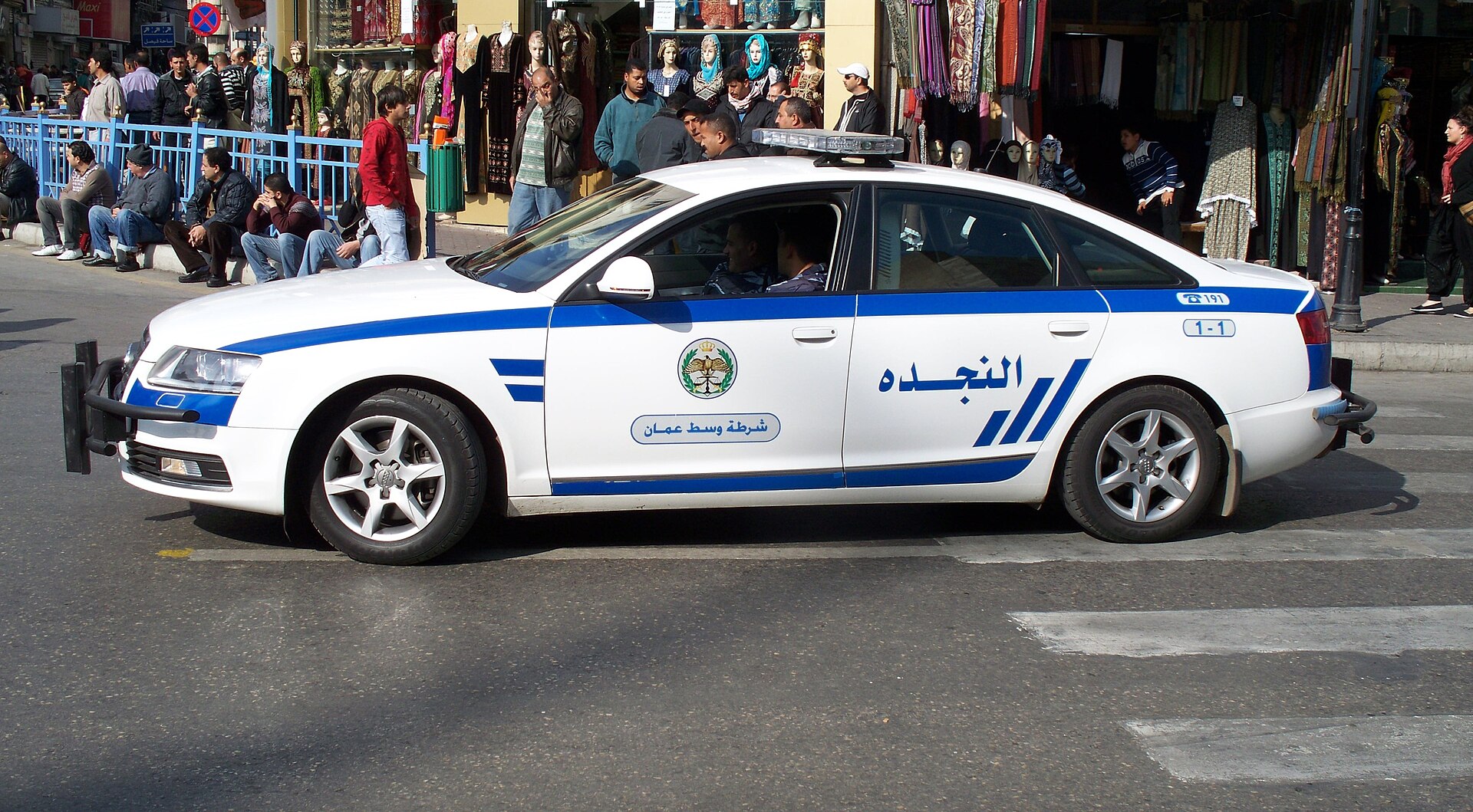
Amman and the centre of the country function normally. The main concerns are terrorism vigilance in crowded places, occasional protests, and disruption from the regional conflict — mainly to flights. Pickpocketing has ticked up in the capital’s commercial districts amid economic pressures, but violent crime is low and everyday activity is generally safe.
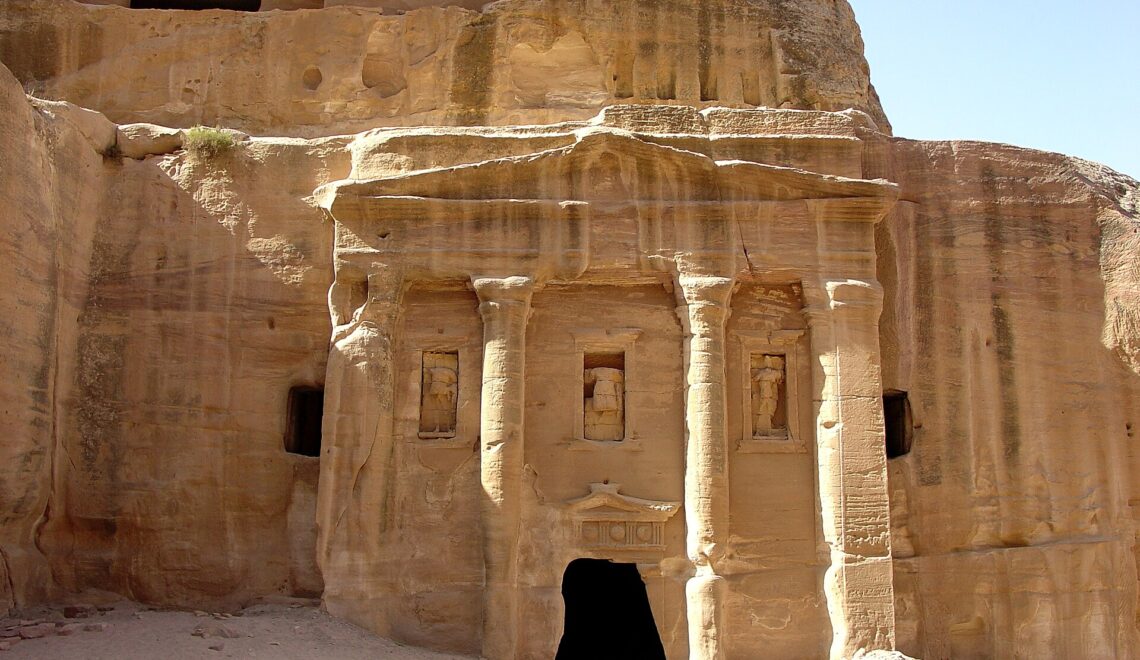
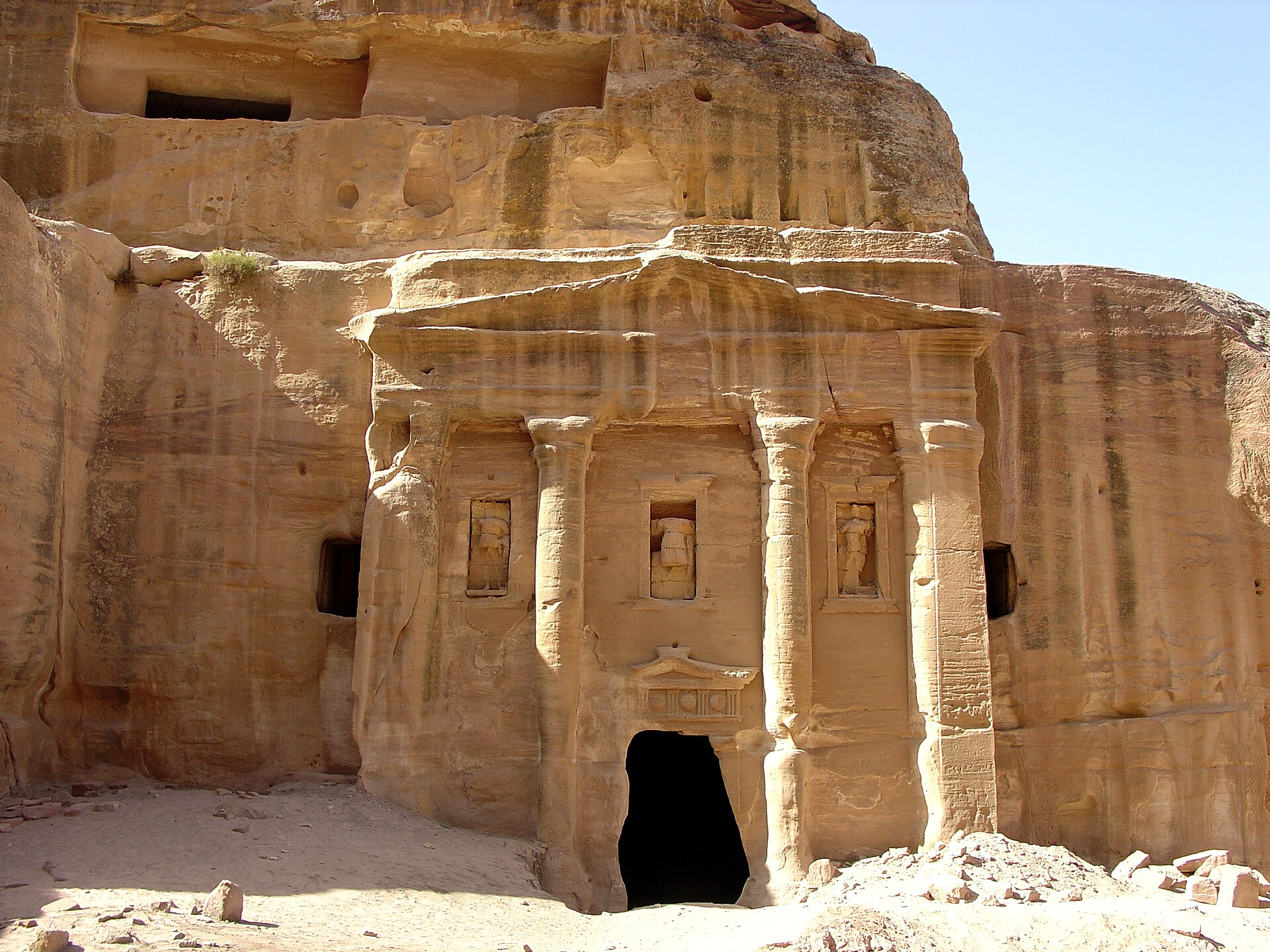
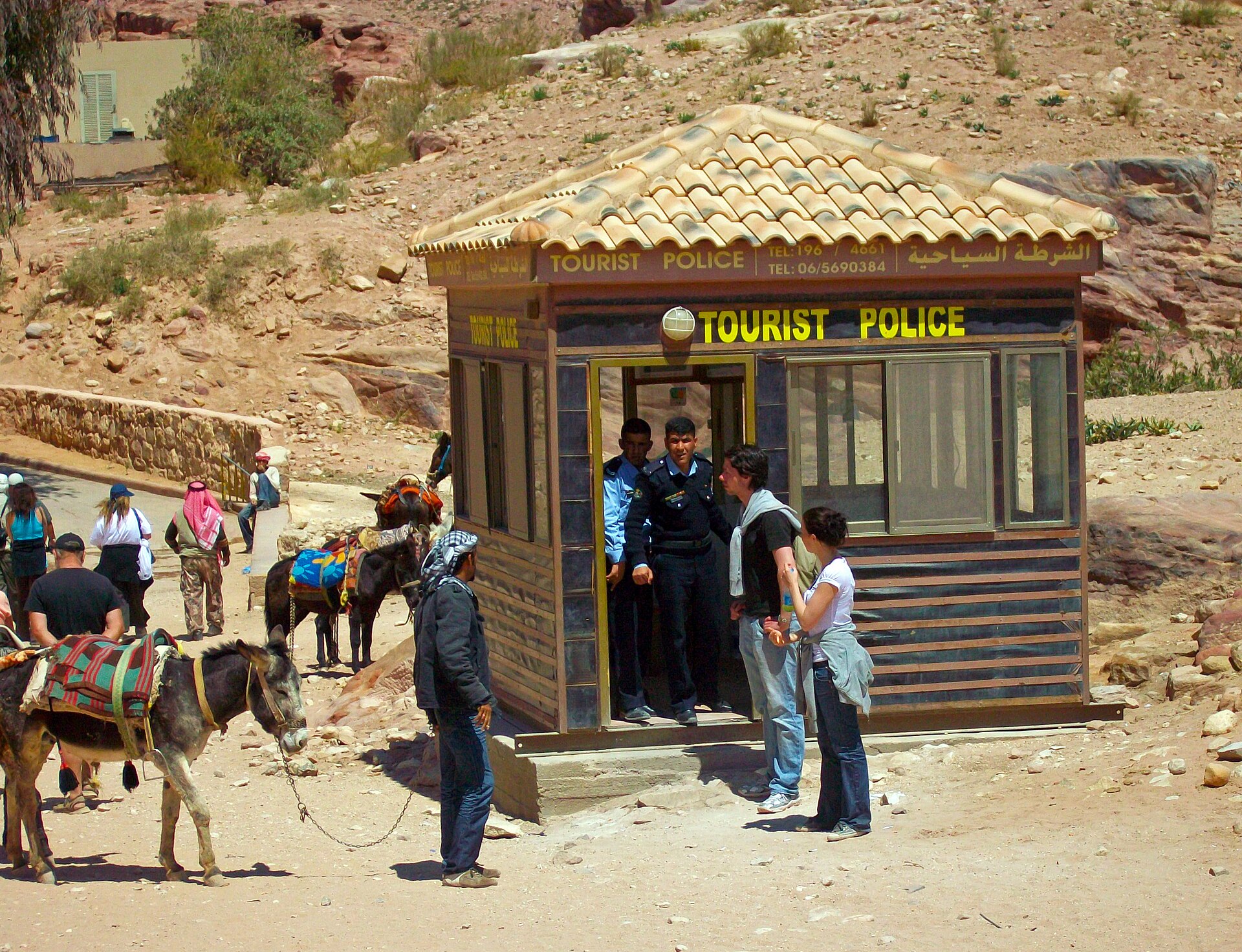
Petra deserves its own paragraph. It is a city carved into sandstone cliffs two thousand years ago, approached on foot through the Siq — a narrow gorge between high rock walls that opens, with almost no warning, onto the Treasury. It is the kind of sight that anchors a lifetime of travel memories, and it sits at the heart of a tourist corridor that continues to operate normally: Petra, Wadi Rum and the south remain secure, and visitors are still making the trip. The Jordan Valley and the Dead Sea are largely secure too, though they see periodic tension near the Israeli border.
The practical picture is that the destinations people actually travel for are working, while risk concentrates at the edges — the borders, the airspace above, and the distance between good private healthcare in Amman and the remote places travellers love. Heat and long road journeys add everyday risk to the list, and road safety deserves genuine respect: traffic accidents are a leading hazard in Jordan.
Regional war spillover with drone and missile risk; the Syria and Iraq borders are dangerous.
A general attack risk given Jordan’s coalition role and regional tensions.
Kidnapping of travellers is rare outside the border regions.
Low violent crime; petty theft, scams and overcharging in tourist areas.
Protests over economic pressures and regional events can occur.
Good private care in Amman; more limited elsewhere. Extreme heat is a hazard.
Flight and airspace disruption, border areas and road safety affect travel.
Cybercrime laws apply and some monitoring occurs; broader risk is limited.
How to Get Covered for Jordan
Because standard policies struggle here, cover for Jordan is arranged on a specialist basis. Red Helm partners with Hotspot Cover, a specialist provider of travel insurance for high hazard and remote destinations — the kind of trips ordinary policies decline. Policies are underwritten by Opportuna Insurance PCC Limited — International Risks Cell, a Protected Cell Company licensed in the Bailiwick of Guernsey and regulated by the Guernsey Financial Services Commission, with reinsurance capacity from certain underwriters at Lloyd’s of London.
What makes it different: war and terrorism cover is included as standard, and a government travel advisory does not by itself void the cover. Some countries are excluded because of international sanctions. In other words, it is built for exactly the two conditions that make standard insurance questionable in Jordan right now.
What the specialist cover can include
- Emergency medical and evacuation — reasonable and necessary emergency medical, surgical, hospital and nursing charges, including evacuation to the nearest adequate medical facility.
- Personal accident — a lump sum if an accident results in death, and cover for permanent total disablement.
- A free pre-travel safety briefing tailored to the destination, covering local risks, emergency contacts and safety protocols.
- Additional benefits such as funeral costs or repatriation of remains, emergency family travel, natural disaster travel and search and rescue expenses.
- Specialist add-ons, including kidnap and ransom, political evacuation and liability cover.
For Jordan specifically, the specialist guidance is that cover is available on a specialist basis, with the Syria and Iraq border areas typically excluded. The main cities and tourist sites are manageable with precautions, while the border regions and active-strike periods require specialist advice. When such cover is arranged for this destination, it should include medical, evacuation and — given the regional disruption — war-risk and aviation provisions.
What it does not cover
This is the part to read with equal care, because a specialist policy is not a full travel policy and it is not unconditional. Active participation in conflict is not covered, although a person who suffers harm as a passive victim is. There is no trip cancellation, no baggage, no delay or missed connection cover, and no non-medical repatriation. Pre-existing conditions within the lookback period, routine and elective care, pregnancy and treatment in the home country are excluded, and mental health cover is limited to the stated PTSD benefit. Other exclusions — among them intoxication or drug use, self-inflicted harm or crime, high altitude, flying other than as a passenger, extreme sports and piracy — are set out in the policy wording.
None of the figures for this kind of cover are published in advance. Premiums, limits, age limits and maximum trip durations are set case by case, and cover for the most difficult destinations is arranged on request only and subject to underwriting. Eligibility is not guaranteed and may depend on a medical questionnaire. All quotes are subject to verification by our insurance suppliers.
To explore it, visit the Red Helm Hotspot Cover page, which explains the cover in more detail and links to the partner’s own destination risk reports and, where available, risk maps. Then speak with your broker at Red Helm: we will take the details of your trip and confirm what can be arranged for your dates and itinerary. There’s no added cost to purchasing your policy through us. Whether you choose to purchase through the insurance company directly or through us, it’s the same price. By purchasing your policy through us, you will have the added support of your broker when making changes to or any claim on your policy — though the insurer adjudicates all claims, so no outcome can be promised in advance.
Get a Specialized Travel Insurance Policy
Through our partnership with Hotspot Cover, Red Helm can arrange specialist cover for Jordan — the kind of policy that will still be there when a standard travel plan is void.
What is Covered
Emergency Medical & Evacuation
Reasonable and necessary emergency medical, surgical, hospital and nursing charges, including evacuation to the nearest adequate medical facility.
Personal Accident, Death & PTD
A lump sum if an accident results in death, and cover for permanent total disablement.
Pre-Travel Safety Briefing
A free pre-departure briefing tailored to Jordan, covering local risks, emergency contacts and safety protocols.
Additional Benefits
Funeral costs or repatriation of remains, emergency family travel, natural disaster travel and search and rescue expenses.
Cover for Jordan is available on a specialist basis, with the Syria and Iraq border areas typically excluded. The main cities and tourist sites are manageable with precautions, while the border regions and active-strike periods require specialist advice, and cover should include medical, evacuation and, given regional disruption, war-risk and aviation provisions. Get a Quote Gulf Transit Cover Speak to an Advisor
Before You Travel: Practical Safety Steps
The precautions below come from current risk reporting for Jordan. Most cost nothing but attention.
- Track the regional conflict closely. Advisories are elevated, and drone and missile activity can occur with little warning.
- Stay out of the Syria and Iraq border areas, which face cross-border violence, smuggling and terrorism.
- Maintain terrorism vigilance, particularly in crowded places and at potential targets.
- Expect flight and airspace disruption — closures and cancellations can come at short notice.
- Avoid protests and political gatherings, which have occurred over economic pressures and regional events.
- Do not visit refugee camps without authorisation, and stay out of designated restricted areas.
- Manage heat and road risk: summers are severe, and traffic accidents are a leading hazard.
- Respect local laws and customs: dress modestly in public and at religious sites, be measured in discussing politics and the conflict, respect Ramadan customs, and think before you post online — people can be detained over online content under cybercrime laws.
Before leaving, plan for the trip going wrong. Share your itinerary and a check-in schedule with someone at home, and register your travel with the Government of Canada so officials know you are in the country if a crisis develops. Consular support is available in Amman, although diplomatic staffing is reduced during the crisis — know where that help is and how to reach it. Build margin into your dates, because tight connections become liabilities when airspace closes at short notice. Keep documents, medication and chargers accessible in case you need to move quickly. And treat evacuation as an insurance question rather than an improvisation: specialist policies can include evacuation to the nearest adequate medical facility, and given the region’s airspace disruption, it is one of the provisions to confirm in detail with your advisor — what it covers, how it is triggered and who arranges it.
Jordan in 2026 asks you to hold two truths at once. The region is at war, the advisory is elevated, and the standard travel insurance on the general shelf is not built for this destination. At the same time, Amman, Petra, Wadi Rum, the Dead Sea and Aqaba are open, secure and receiving visitors — and cover for the trip exists if it is arranged properly. If Jordan is in your plans, speak with your broker at Red Helm before you commit money to the trip. We are an independent brokerage, licensed in Ontario and British Columbia, whose job is to compare across carriers and arrange specialist cover where standard options fall short. Quotes, products and services are marketed and distributed by Red Helm Canada. Rates and plan details may change without notice and are not guaranteed until carrier approval. This article is general information, not personal advice.
Where Jordan Is